


What is an Aero-Derivative Gas Turbine?
An aero-derivative gas turbine is a type of gas turbine that uses the core technology of an aircraft jet engine, adapted for stationary or mobile power generation. Originally developed for aviation, these turbines are redesigned to drive electrical generators rather than produce thrust, combining aerospace engineering with the requirements of reliable, utility-scale power production.
Aero-derivative gas turbines are valued for their ability to generate power quickly, operate efficiently across changing demand conditions, and be deployed in compact, modular configurations. These characteristics make them well suited for today's evolving energy landscape, where utilities, industrial facilities, data centers, and other large power users increasingly require reliable electricity that can be brought online quickly and respond to changing grid conditions.
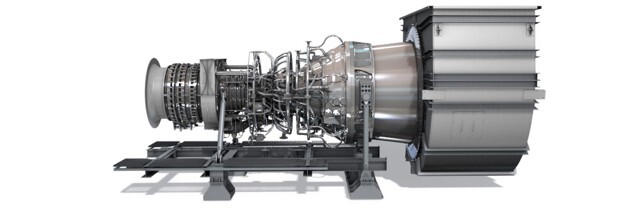
How an Aero-Derivative Gas Turbine Works
Like all gas turbines, an aero-derivative gas turbine converts the chemical energy of fuel into mechanical energy and, ultimately, electricity.
The major components of a gas turbine power plant typically include the air intake system, compressor, combustor, turbine, generator, exhaust system, fuel system, and control systems that monitor and optimize operation.
The process begins as ambient air enters a multi-stage compressor, where it is compressed to a high pressure. The compressed air then flows into the combustor, where it is mixed with fuel and ignited. The resulting high-temperature, high-pressure gases expand through the turbine section, causing turbine blades to rotate.
In aerospace, this rotational energy powers the compressor and, in many engines, a fan, while the exhaust gases generate the thrust that propels an aircraft forward. In power generation applications, it drives a power turbine connected to an electrical generator. The generator converts the mechanical energy into electricity for delivery to the grid, industrial facilities, or other large energy users. Depending on the application, exhaust can also be recovered to generate additional electricity in combined-cycle plants, or provide useful thermal energy in combined heat and power (CHP) systems.
Key Characteristics of Aero-Derivative Gas Turbines
- Compact, modular design: Because they are derived from aircraft engine technology, aero-derivative gas turbines are designed to deliver high power output from relatively compact equipment. Their modular construction allows major components to be factory assembled, transported efficiently, and installed more quickly than many conventional power generation systems.
- Operational flexibility: Aero-derivative gas turbines are designed for rapid start-up, frequent cycling, and multiple daily starts, enabling operators to respond quickly to changing electricity demand. This flexibility makes them valuable for peaking generation, grid support, standby power, and applications where power requirements can change over the course of a day.
- Multi-fuel capability: Many aero-derivative gas turbines allow operators to switch between gas and liquid fuels depending on fuel availability or operational requirements. Combined with dual-frequency operation at 50 Hz or 60 Hz and optional black start and remote operation, these features support resilient power generation across a wide range of operating environments.
Applications Across Modern Power Systems
As electricity demand continues to grow and power systems become more dynamic, aero-derivative gas turbines play an increasingly important role in supporting reliable, dispatchable generation. Here are some key uses:
- Utilities: Provide flexible grid support, meet peak electricity demand, strengthen system resilience, and help maintain grid stability during periods of fluctuating supply and demand.
- Industrial facilities: Supply dependable onsite power for energy-intensive operations.
- Data centers: Deliver reliable power with rapid deployment schedules.
- Island mode and remote energy projects: Offer compact, modular power for applications such as barge-mounted generation, island mode and isolated grids, and installations with limited available space.
- Oil and gas operators: Mechanical-drive applications, such as powering pipeline compressors, electric fracking, as well as for simple-cycle power generation or combined heat and power (CHP) systems that improve overall energy efficiency.
Their modular design also makes aero-derivative gas turbines well suited for, fast-track, behind the meter or remote installations, as well as temporary power and emergency generation infrastructure projects where construction schedules and speed to power are critical.
The Mitsubishi Power Aero Approach to Flexible Power Generation
Mitsubishi Power Aero specializes exclusively in aero-derivative gas turbine power solutions designed to help customers deliver reliable electricity where and when it is needed most.
Drawing on proven aerospace-derived technology, and over 60 years of experience in manufacturing and packaging, our Mitsubishi Power Aero portfolio includes the FT8® MOBILEPAC®, and FT4000® SWIFTPAC® gas turbine packages, providing options of 31, 70, or 140 megawatts of power for utility, industrial, and critical infrastructure applications.
Modular, factory-assembled packages by Mitsubishi Power Aero are engineered to reduce onsite construction and accelerate deployment. This approach supports applications ranging from planned capacity additions to emergency response, temporary power turbines, and mobile power generation.
Pre-commissioned, site-ready FT8® MOBILEPAC® units can begin generating power within one day at a prepared site, while standard FT8® MOBILEPAC® packages can be assembled and generating within a few weeks These mobile systems can be rapidly deployed to locations requiring temporary or emergency electricity. Our Mitsubishi Power Aero in house EPC firm, Energy Services, LLC, can provide engineering, procurement, construction, and management of your project with a single point of responsibility.
Beyond installation, Mitsubishi Power Aero supports customers throughout the equipment lifecycle with OEM aftermarket services, including field service, maintenance, overhaul and repair, retrofits and upgrades, long-term service agreements (LTSAs), technical training, and engineering support. Remote monitoring and diagnostic capabilities help operators monitor equipment performance, improve availability, and plan maintenance to support reliable operation over the life of the asset.
As electric grids continue to evolve, flexible generation is becoming increasingly important alongside renewable energy, expanding industrial activity, and growing demand from data centers and other energy-intensive industries. Mitsubishi Power Aero aero-derivative gas turbine solutions are designed to help customers improve grid flexibility, strengthen resilience, accelerate speed to power, and provide dependable, dispatchable generation. These solutions also support advanced grid services -- including fault ride-through, synchronous condensing, and enhanced grid stability -- to help utilities, independent power producers, and large industrial customers to operate more reliable and resilient electric systems.
When speed to power is the most important consideration aero-derivative gas turbines from Mitsubishi Power Aero are well-suited to deliver that power quickly, reliably, and nimbly.
Frequently Asked Questions About Aero-Derivative Gas Turbines
How Do Aero-Derivative Turbines Differ from Heavy-Duty Gas Turbines?
Aero-derivative gas turbines are derived from proven aviation engine technology and are designed for fast startup, operational flexibility, and rapid deployment. Heavy-duty gas turbines are typically larger and are commonly used for large, permanent power generation installations, including many combined-cycle power plants.
Compared to heavy-duty turbines, aero-derivative turbines can start faster, ramp output more quickly, and operate efficiently across changing load conditions. These characteristics make them well suited for behind the meter applications, peaking power, grid support, renewable integration, emergency generation, and fast-track power projects.
Mitsubishi Power Aero designs aero-derivative gas turbine packages that help utilities and power producers address modern reliability, flexibility, and capacity requirements.
Why Are Aero-Derivative Turbines Used for Fast Power Deployment?
Aero-derivative turbines are used for fast power deployment because they are designed for rapid installation, quick startup, and flexible operation.
As power producers face growing electricity demand, data center expansion, and increasing reliability requirements, many need new generation capacity on shorter timelines than conventional power plant construction can provide. Aero-derivative turbines can help accelerate project timelines while providing utility-scale, dispatchable power.
The Mitsubishi Power Aero aero-derivative portfolio and mobile power solutions are designed to support fast-track deployment strategies that help customers bring reliable generation online quickly.
What Are the Advantages of Aero-Derivative Turbines for Utilities?
Aero-derivative turbines offer utilities several advantages, including fast startup capability, operational flexibility, rapid ramp rates, compact footprints, and the ability to support changing grid conditions.
These turbines are frequently used to support peak demand periods, reserve capacity requirements, renewable energy integration, emergency response, and grid reliability initiatives.
Aero-derivative gas turbines from Mitsubishi Power Aero help utilities maintain reliability while adapting to evolving demand patterns, weather-related challenges, and increasing renewable penetration.
What are the advantages of Aero-Derivative Turbines for Data Centers?
Aero-derivative gas turbines offer data centers many of the same advantages as utilities, with the addition of behind-the-meter or temporary power turbines which can be operated in island mode. When infrastructure is built and grid connections are made, they can easily be connected to the grid.
How Quickly Can Aero-Derivative Gas Turbines Be Deployed?
Deployment timelines vary by project scope, site conditions, permitting requirements, and infrastructure needs. However, aero-derivative gas turbines are generally deployed much faster than traditional large-scale power plants because of their modular design and reduced installation requirements.
The FT8® MOBILEPAC® solution from Mitsubishi Power Aero is specifically designed for fast-track deployment and can be transported by land, sea, or air. Pre-commissioned mobile units can begin generating power within as little as one day at a prepared site, helping utilities and developers address urgent generation or capacity needs.
We help customers bring revenue online faster by delivering rapidly deployable power solutions that move with their business and can be redeployed wherever power is needed next.
Are Aero-Derivative Turbines Suitable for Temporary Power Generation?
Yes. Aero-derivative gas turbines are widely used for temporary and mobile power generation because they combine utility and industrial-scale power with transportability, fast startup, and operational flexibility.
Temporary power turbine generation can help support data centers with onsite power before grid connections are made, and later provide grid reliability during seasonal demand spikes, maintenance outages, emergency situations, construction delays, and infrastructure upgrades.
Mitsubishi Power Aero mobile power solutions are designed to provide flexible, dispatchable generation for temporary and fast-response applications. When needs change, they can easily be driven or transported to a new site.
How Do Aero-Derivative Turbines Support Grid Reliability?
Aero-derivative turbines support grid reliability by providing on-demand, dispatchable power that can respond quickly to changing demand and system conditions.
Grid operators increasingly need flexible resources capable of starting rapidly, ramping output efficiently, and supporting reserve capacity requirements. Aero-derivative turbines help maintain system stability during peak demand events, renewable fluctuations, transmission constraints, and unexpected outages.
The Mitsubishi Power Aero portfolio includes flexible generation solutions that help utilities and independent power producers strengthen reliability while supporting evolving grid needs.
Can Aero-Derivative Turbines Support Renewable Energy Integration?
Yes. Aero-derivative gas turbines are commonly used to support renewable energy integration because they can quickly respond to fluctuations in wind and solar generation.
As renewable energy production changes throughout the day, flexible, on-demand generation resources help maintain the balance between electricity supply and demand. Fast-ramping aero-derivative turbines provide dispatchable support when renewable output decreases or demand increases unexpectedly. Unlike batteries, which typically may run for a four-hour or less duration, aero-derivative gas turbines can run for hours, days, or months at a time.
Our Mitsubishi Power Aero aero-derivative technologies are designed to help utilities and independent power producers build more resilient and flexible power systems that support both reliability and decarbonization goals.
What Industries Use Aero-Derivative Gas Turbines?
Aero-derivative gas turbines are used across a wide range of industries that require reliable, flexible, and scalable power generation. Common applications include:
- Electric utilities
- Independent power producers (IPPs)
- Grid support and peaking generation
- Data centers
- Industrial and manufacturing facilities
- Oil and gas operations
- Temporary and emergency power projects
- Remote and island mode installations
Mitsubishi Power Aero serves global customers across these sectors with solutions designed to address reliability, flexibility, and fast-deployment requirements.
Why Are Aero-Derivative Turbines Used for Emergency Power Applications?
Aero-derivative turbines are used for emergency power applications because they can be deployed quickly, start rapidly, and provide dependable utility-scale electricity when existing generation or transmission infrastructure is unavailable, damaged, or insufficient to meet demand. With their fuel flexibility, aero-derivatives can switch from natural gas to liquid fuel, LNG, HVO, or other available fuels. Many aero-derivative gas turbines are designed to operate in a standalone microgrid and switch to alternate fuel.
Emergency generation may be required following severe weather events, natural disasters, transmission outages, fuel supply disruptions, or unexpected capacity shortages. Power producers who have capacity on hand for emergencies have planned ahead and put in place flexible generation resources like FT8® MOBILEPAC® gas turbines. These gas turbines help utilities and critical infrastructure operators restore service and maintain reliability during extreme or unplanned events.
Mitsubishi Power Aero offers mobile and aero-derivative power solutions designed to support emergency response efforts or changed priorities by delivering fast, dispatchable power when and where it is needed most.